
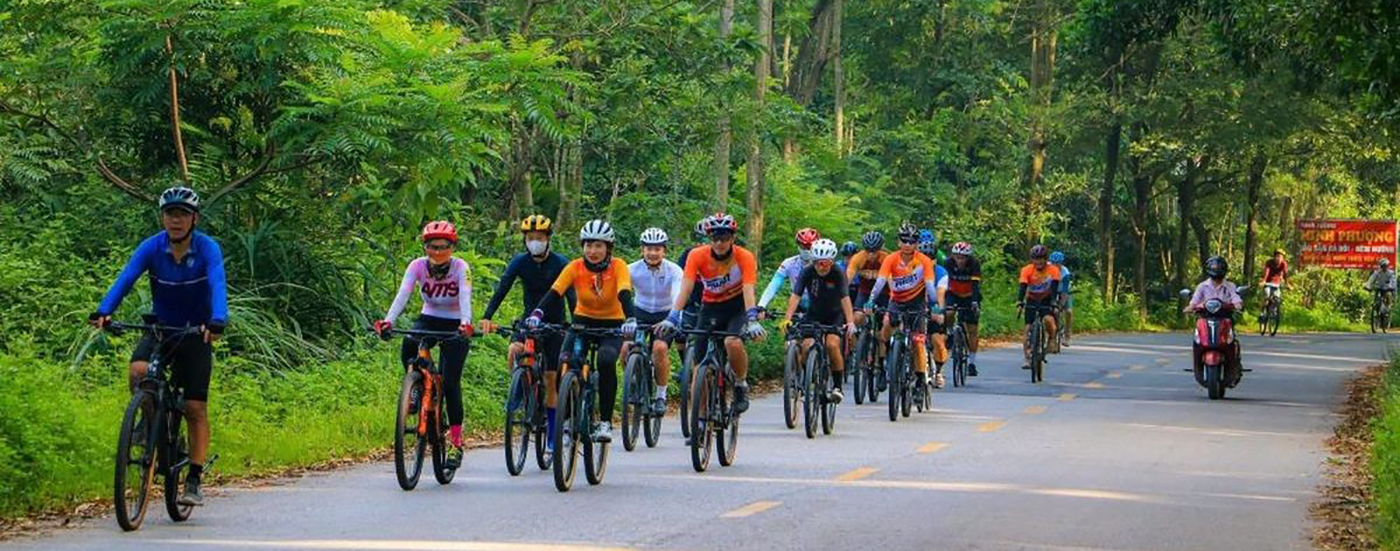
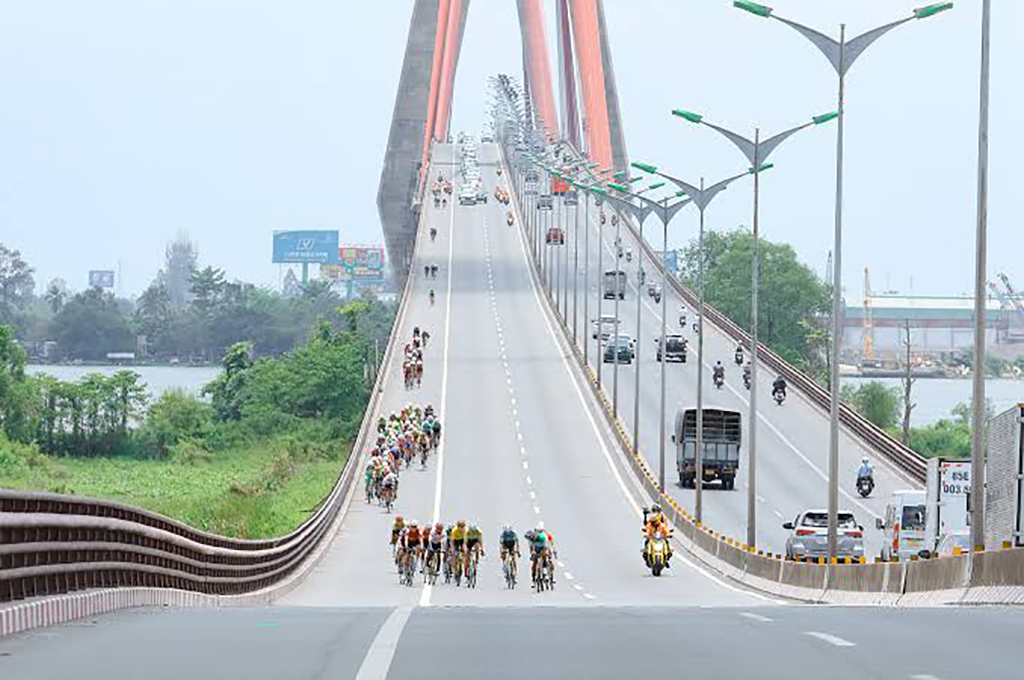
Bicycles have become a lifestyle symbol in 2026
Not just a means of transportation, bicycles are becoming a lifestyle symbol in 2026 across France and Europe, as brands continuously launch collaborative editions and limited products to captivate collectors and urban consumers.
Bicycles have become a lifestyle symbol in 2026
Bicycles have become a lifestyle symbol in 2026
In France, this trend reflects a changing perception of bicycles — from a common means of transportation to a design product, and even an artistic statement. Today’s cycling enthusiasts not only ride their bikes but also display them, treating them as part of their living space and personal lifestyle.
A notable example is the collaboration between furniture brand Ligne Roset and bicycle manufacturer Origine to launch the limited-edition Montmartre Air urban e-bike, restricted to just 250 units and priced at 2,990 euros (around USD 3,230). The product combines premium interior design elements with modern bicycle technology, featuring signature color palettes and exclusive accessories inspired by the iconic Togo sofa.
The trend is not limited to the urban bicycle segment. High-performance cycling brands are also joining the movement. Look Cycle partnered with former cyclist Laurent Jalabert to release a limited edition of 167 bicycles commemorating the Paris–Roubaix race, priced at around 10,000 euros (approximately USD 10,800).
Meanwhile, premium bicycle brand Pinarello collaborated with watchmaker Tissot to introduce a globally limited collection of only 101 bicycle-and-watch sets. The bicycle alone is priced at around 15,000 euros (approximately USD 16,200), excluding the accompanying timepiece.
Urban bicycle brands are also embracing this trend. Brompton has continuously collaborated with fashion brands such as Barbour and artists like Radiohead, creating products with a strong cultural identity. Similarly, electric bicycle manufacturer Moustache Bikes partnered with designer Philippe Starck to develop highly creative bicycle models.
Notably, several bicycle models have even been exhibited at Centre Pompidou — one of the world’s most renowned museums of modern and contemporary art located in central Paris — highlighting the increasingly visible intersection between industry, design, and art.
The Rise of Premium Cycling Culture
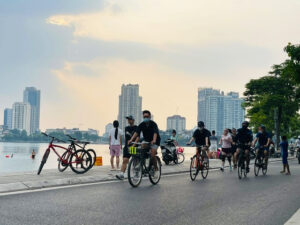
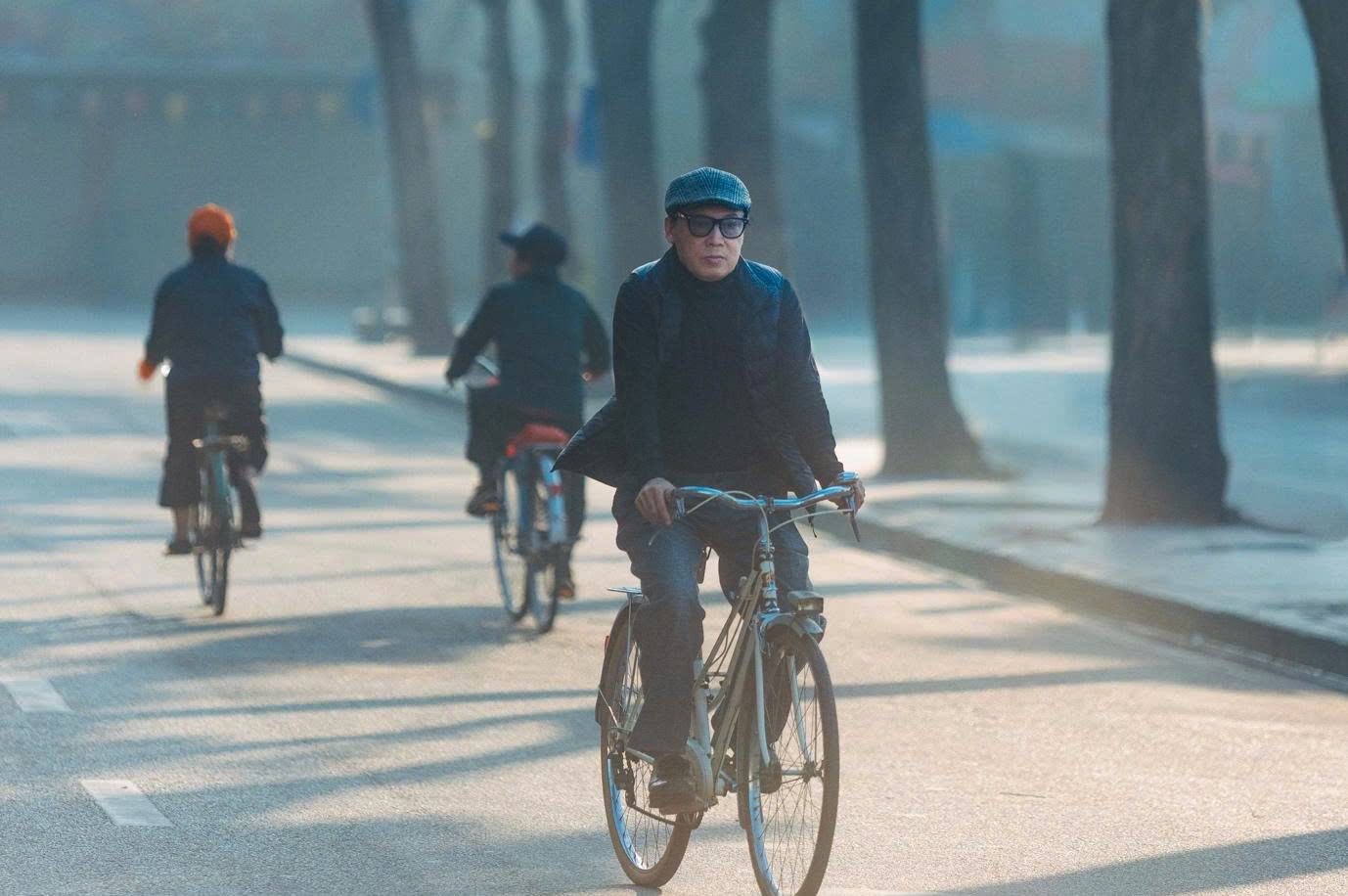
Cycling in West Lake
More broadly, the rise of “fashion bicycles” has developed alongside the rapid expansion of green transportation across Europe. Policies aimed at reducing emissions and promoting sustainable mobility have significantly expanded the bicycle market, particularly the e-bike segment in major cities such as Paris.
According to industry experts, the combination of design, technology, and culture enables brands to increase product value while creating a new premium market segment. In an increasingly competitive landscape, limited editions and brand collaborations are considered effective strategies for attracting customers and strengthening brand identity.
Hanoi Is Embracing the Same Lifestyle Trend
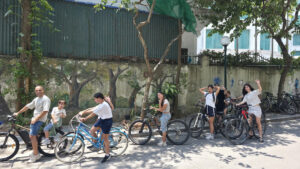
Cycling in Hanoi – Bike Plus
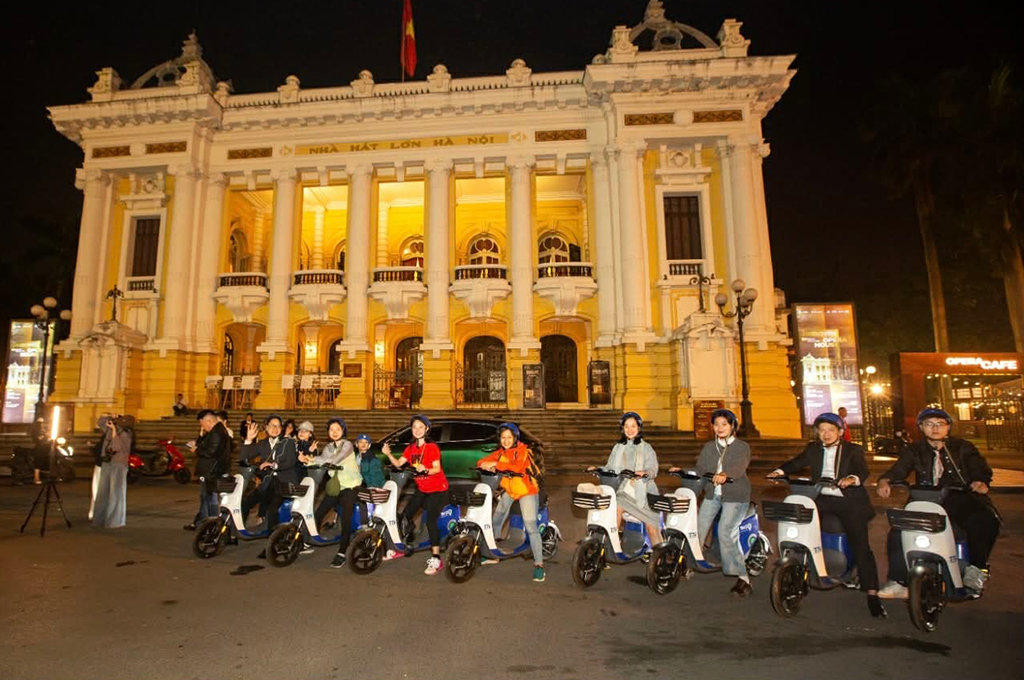
In Hanoi, cycling is also gradually evolving beyond a simple mode of transportation to become part of a modern urban lifestyle. From early morning rides around West Lake to cycling tours through local villages and scenic streets, more people are embracing bicycles as a way to experience the city, improve well-being, and express personal style. Similar to trends seen in Europe, bicycles in Hanoi are increasingly associated with sustainability, leisure, photography, and social connection, especially among younger urban communities and international visitors.
As a sustainable mode of transportation, cycling not only helps reduce environmental pollution but also improves public health. Prioritizing bicycles for daily transportation is a cost-effective strategy that enables cities to achieve green growth objectives while contributing to Vietnam’s national commitment to achieving net-zero greenhouse gas emissions by 2050.
READ MORE:
– Revolutions in Bicycle History Since 1817
– A boy from Hanoi and his mom cycled 1,000 km across 19 provinces during the summer